
Globally, 300 million tons of waste plastic are generated each year, with only 10% being effectively utilized. A vast amount of mixed, low-value waste plastic ultimately ends up in landfills or incineration plants, causing severe resource waste and environmental burden. Waste plastic pyrolysis technology can convert waste plastic into recycled plastic oil, serving as an important technological pathway for turning waste into energy. For enterprises aiming to enter the waste plastic chemical recycling sector, the primary concern is identifying which technology and equipment supplier can provide a comprehensive solution that meets current industry demands, offers mature and reliable technology, boasts a rich record of domestic and international projects, and enables industrial-scale implementation. Deeply engaged in the industry for nearly 40 years, Niutech focuses closely on the R&D and application of waste pyrolysis technology, continuously expanding the coverage and application scenarios of its advanced equipment to deliver its own definitive answer.
Niutech’s Industrial Continuous Waste Plastic Pyrolysis Production Line comprises eight core systems: intelligent feeding, continuous pyrolysis, non-condensable combustible gas purification, fractional liquid cooling, circulating cooling water, flue gas purification, intelligent discharging, and fully automated intelligent control. Plastic waste requires no washing, sorting, drying, or fine crushing, and can be directly pyrolyzed with high efficiency. Under anoxic or oxygen-deficient conditions, the high-molecular polymers in waste plastic are thoroughly decomposed back into small molecules or monomers through precise, intelligent temperature-controlled indirect heating. This process yields stable-quality plastic pyrolysis oil, solid fuel, and combustible/synthesis gas. Through further deep processing, these pyrolysis products can be converted into chemical raw materials for manufacturing new plastics, completing the closed loop of waste plastic chemical recycling. While ensuring safe, environmentally friendly, continuous, and stable operations, the system achieves the harmless, volume-reducing, and resource-recovering treatment of waste plastics. Through years of industrial equipment practice, Niutech’s technology and equipment package has established five key advantages:
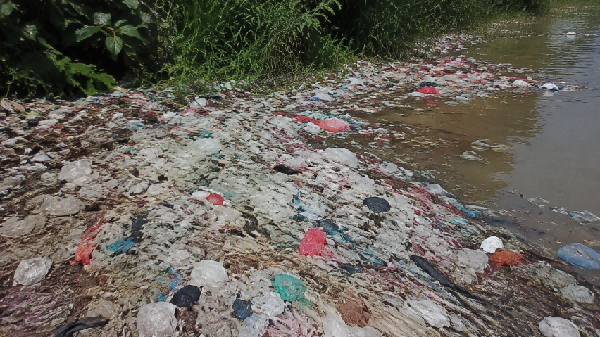
- Strong Material Adaptability: Plastic waste requires no pretreatment, such as sorting or washing. It enables the resource utilization of low-value waste plastics, marine waste plastics, medical waste plastics, and waste textiles (including single or mixed plastics such as PP, PE, PS, ABS, and Nylon).
- Low Treatment Costs: Proprietary thermal dispersion technology ensures uniform material heating and high thermal conductivity efficiency, completing gas-liquid-solid separation at lower temperatures. Purified non-condensable combustible gas is reused as heating fuel, while flue gas waste heat recovery technology conserves energy and reduces emissions. Indirect cooling with circulating water and a streamlined process flow keep operating costs far below traditional waste treatment methods worldwide.
- Efficient Resource Recovery: Thorough and complete pyrolysis yields high-quality, high-volume resource recovery.
- Superior Environmental Benefits: Production line operation is unaffected by weather or external factors. The entire pyrolysis process takes place in sealed equipment pipelines, preventing dust and VOC leakage. Under safe and eco-friendly conditions, the system achieves long-term, full-capacity, uninterrupted, continuous, and stable operation.
- High Automation & Intelligence: Featuring a high level of automation, the PLC/DCS intelligent control system performs real-time monitoring, data collection, display, calculation, processing, and command execution across every individual equipment unit and process control point. It features auto-correction and auto-alarm capabilities, realizing truly safe, intelligent operation with low staffing requirements.
Currently, Niutech’s comprehensive waste plastic solutions have achieved industrial-scale, continuous pyrolysis implementations at the 10,000-ton level in Denmark, the UK, South Korea, Thailand, Vietnam, and China, with some projects operating continuously for over 10 years.